Real Savings Come From Better Care. Not Scare Tactics.
Real Savings Come From Better Care.
Not Scare Tactics.
By Terri Hanlon-Bremer, Chief Operating Officer, TriHealth & Senior Leader, Corporate Health
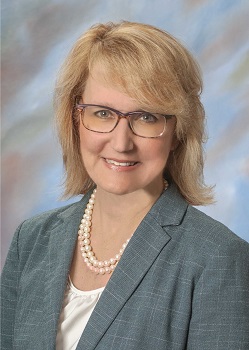
Terri Hanlon-Bremer, Chief Operating Officer, TriHealth & Senior Leader, Corporate Health
For more than 15 years, I have had the privilege of leading TriHealth’s Corporate Health Division and partnering with the thousands of employers who rely on TriHealth to provide the full range of occupational health services, all to promote a healthy and productive workforce and culture. Employer-sponsored health insurance is another important way most employers support the health and well-being of their employees and their dependents. It is supposed to help people have access to the care they need, when and where they need it - not impede it or stand in the way. Yet today, UnitedHealthcare is using its market power to create barriers between patients, their trusted providers, and the care they rely on.
Across TriHealth, we see examples every day of how UnitedHealthcare’s administrative decisions hurt patients, including delayed authorizations, denied claims, and hurdles that slow down needed treatment. These deliberate actions don’t make care more accessible and safer. They make accessing care harder, more confusing, and more costly for patients and employers. Last year alone, UnitedHealthcare denied more than $40 million in claims for oftentimes life-saving care that was provided to our UnitedHealthcare patients. Nearly all the denied claims were eventually paid, but only after months of lengthy appeals and aggressive defense costing millions of dollars. This is not making health care safer or more affordable!
Beyond these administrative pain points, UnitedHealthcare is also choosing unfairly to pay some health care systems more while refusing to provide fair payment to TriHealth, claiming it would drive up the cost of health care, even as we deliver better health outcomes and greater affordability. Other major health plans reward our system for exceptional outcomes and delivering care more cost effectively. They collaborate with us to support and invest in care models that lower the total cost of care while improving health outcomes, but UnitedHealthcare remains an outlier. When one insurer punishes the systems doing things right, it creates an uneven playing field—and patients and employers pay the price.
And while we work to sustain the level of care Greater Cincinnati deserves, UnitedHealthcare makes false claims that distract from the real story. You’re paying higher premiums every year, hospitals doing the right thing for patients are being shortchanged, and UnitedHealthcare is collecting profits without feeling the economic pressures the rest of us do. If TriHealth is forced out of UnitedHealthcare’s network after December 31, you will feel the impact—not America’s largest and most profitable health insurance company.
As we approach the real possibility of being out of network and the disruption it will create for our patients, TriHealth has tried to make sure patients who need ongoing treatment can continue to see their trusted physicians and specialists without interruption. UnitedHealthcare has refused to join us in pre-qualifying these patients to ensure continuity of care. To us, their stated commitment to protecting members does not align with their actions behind the scenes.
TriHealth has lowered health care spending in the region by more than $100 million each year in recent years by keeping people healthier and delivering most care outside the hospital. And we’re able to do this at scale because we invest in what drives better outcomes: recruiting top physicians, deploying the newest technologies, and advancing the most effective care models. These important investments allow us to deliver higher-quality, lower-cost care across Ohio, northern Kentucky, and southeastern Indiana, maximizing our impact on the communities we serve.
UnitedHealthcare’s actions over the course of these year-long negotiations have simply not been serious, signaling little or no interest in finding a true win/win and sustainable partnership. America’s largest health insurer is threatening progress and dragging our entire health care ecosystem backward. To us, this negotiation is about more than reimbursement rates—it’s about breaking down the barriers that stand between real people, their trusted providers, and the care they need.
Unlike UnitedHealthcare, the TriHealth relationship with all the other major payors is both collaborative and fair, recognizing the exceptional value we deliver to our patients, employers and community. In fact, just this week we finalized multi-year negotiations with one of those national payors and agreed to market competitive rates above what we have proposed to UHC, but without the public disruption United is creating through these negotiations.
TriHealth’s goal has never changed: Get Health Care Right—for patients, employers, and our entire region. Our proactive, health-focused model of care has been recognized nationally for industry-leading performance, including by UnitedHealthcare, and it is proving that Getting Health Care Right is possible. We will stay the course and will not step back from this fight to transform health care for the better.