Is it Possible to Detect Osteoporosis Early?
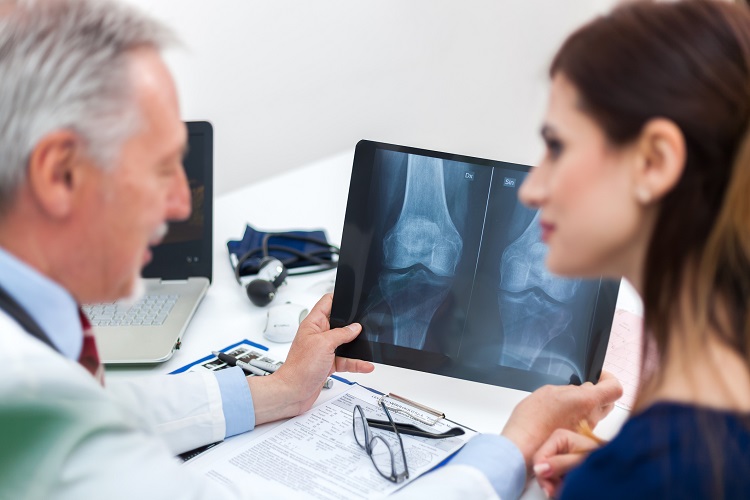
Osteoporosis is sometimes considered a “silent disease” because bone loss often occurs without presenting any symptoms.
However, Mahnaz Saoudian MD, a rheumatologist at TriHealth, says that with the right screening, you may be able to catch it early.
Osteoporosis is a disease characterized by a decrease in bone mineral density and an increased susceptibility to fractures (with or without falling or trauma in some cases), particularly affecting folks as they age. Hip fractures in the elderly come with a high risk of the loss of independence, and in some cases, about a 20% increase in 1-year mortality.
Osteoporosis: When Should I Get Screened?
If you’re healthy otherwise, after age 65, you should have a bone density test (also known as a DXA scan) every two years to predict your risk of bone fractures. If you are at risk for osteoporosis, your doctor will instruct you to add more calcium and vitamin D to your diet, and may put you on a medication meant to boost bone mass and prevent further bone loss.
From there, future bone density tests will monitor how well your osteoporosis medicine is working.
Osteoporosis: What if I Fall into a High-Risk Category?
If you fall into a high-risk category for developing osteoporosis, your doctor may suggest that you get scanned at age 65 or younger. “Generally, we monitor ladies after age 65, every two years, with DXA scan, but it can happen before age 65,” Dr. Saoudian points out. Factors that may put you at a higher risk include:
- A family history of osteoporosis
- Taking certain medications, like steroids or anticonvulsants
- Having other conditions, like rheumatoid arthritis or psoriatic arthritis, for example
- Having a hyperactive thyroid
- Tobacco and excessive alcohol use
- Family history of fractures associated with osteoporosis
Knowing your family history is critical when it comes to determining your risk. "If you have a mother with a hip fracture, that's a major risk factor," Dr. Saoudian warns.
Treating Osteoporosis
Bisphosphonates are the primary drugs prescribed to prevent and treat osteoporosis. They can help reduce the risk of both spinal and hip fractures, even in patients with prior bone breaks.
Studies show that these drugs are both safe and effective for up to five years; however, eventually bone loss will continue with bisphosphonates.
Newer medications now include some injected biologic meds that are an alternative (or successor) to the bisphosphonates, and they have been shown to be highly effective in increasing bone density and reducing fracture risk.
Additionally, regular weight-bearing exercises including some balance exercises are an important complement to any osteoporosis medication regimen, as medications alone are not sufficient to get the best results from treatment.
Learn more or make an appointment today, call (513) 246-7000.