Do I Have Iron-Deficiency Anemia?
If simple physical tasks, like walking up two flights of stairs, have you feeling exhausted and breathless, whereas before, they would have been no problem, consider getting checked for iron-deficiency anemia.
What is Iron-Deficiency Anemia?
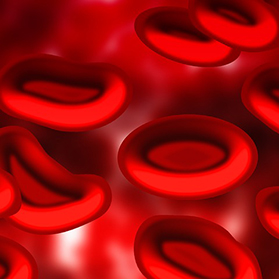
Anemia is a condition in which the body does not have enough healthy red blood cells. Red blood cells provide oxygen to body tissues.
“It’s the decreased ability to carry oxygen. You just don’t get enough oxygen to your cells,” Katy Loos RN, the Blood Management Program Coordinator at Good Samaritan, explains.
Oxygen is what your tissues need to heal and function so the main issue with this type of anemia is that it complicates every other diagnosis, like heart failure, diabetes or infections. “You can’t take care of these other things if you don’t have enough oxygen,” Katy points out.
On the other hand, if you have chronic obstructive pulmonary disease (COPD), for example, and your body isn’t getting the oxygen it needs, in many cases, your hemoglobin levels will go up to compensate.
Signs of Iron-Deficiency Anemia
Iron-deficiency anemia typically doesn’t present with symptoms. If you do show signs of anemia, symptoms are mild at first and develop slowly. They include:
- Exercise intolerance
- Feeling weak or tired more often than usual
- Headaches
- Problems concentrating or thinking
I Think I Have Iron-Deficiency Anemia: What Should I Do?
If you think you may have iron-deficiency anemia, schedule an appointment with your primary care doctor. He or she will order a blood test.
Once your doctor confirms you are iron deficient, your treatment plan will likely include taking iron as well as folic acid and vitamin C supplements, which aid in iron absorption.
Other ways to naturally increase your iron levels include:
- Eating iron-rich foods (green leafy vegetables, like spinach)
- Avoiding stress
- Exercising
Exercise helps because it releases endorphins and makes you less prone to releasing cortisol. Similarly, the more you exercise, the better you feel and the less likely you are to gain weight or be put on pain medicine for joint pain. “People with rheumatoid arthritis, get in a whole other ballpark of problems because they are on these pain medicines that can upset their stomach, which can lead to being placed on a medicine that keeps them from absorping iron,” Katy explains.
- Related: Exercise: 4 Excuse Busters