9 Oct 2026
- Community & News
- Service Line
Structural heart disease affects the valves and structures of the heart that help blood flow properly. Conditions like valve disease, small holes in the heart, or abnormal heart connections can cause symptoms such as shortness of breath, fatigue, or dizziness, and for many patients, a diagnosis can feel overwhelming.
The good news? Heart care has advanced dramatically.
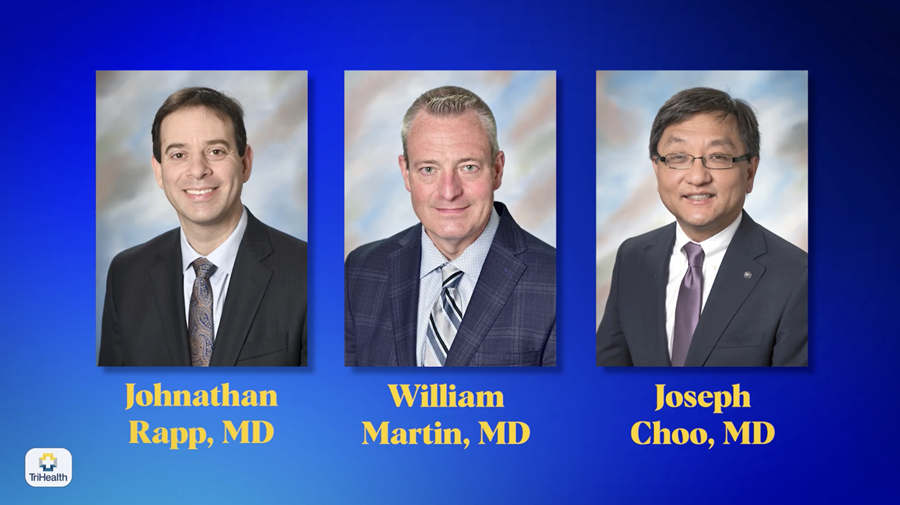
At TriHealth, our Structural Heart team treats a wide range of heart valve conditions using the latest technology and a highly collaborative approach. Interventional cardiologists and heart surgeons work closely together, meeting regularly to review cases and determine the best treatment plan for each patient. This team‑based care ensures patients receive the right treatment at the right time.
Not long ago, open‑heart surgery was the primary option for many valve conditions. Today, minimally invasive procedures allow doctors to repair or replace heart valves using small access points, often through a blood vessel in the leg.
These approaches offer major benefits, including:
One of the most common procedures performed is TAVR (Transcatheter Aortic Valve Replacement). In many cases, the procedure takes about an hour, and patients can return home the very next day, sometimes with nothing more than a small bandage.
Today, TriHealth’s Structural Heart team can treat disease affecting all four heart valves using minimally invasive techniques. Patients often feel relief knowing they have effective options—and that age alone is not a barrier to treatment.
Most importantly, symptoms should never be ignored or dismissed as “just getting older.” Early diagnosis leads to better outcomes, and modern treatments can be life‑changing.
If something doesn’t feel right, trust your instincts. Help is available—and it’s more advanced and less invasive than ever.
Learn more about structural heart disease and how to get started with heart care at TriHealth: trihealth.com/heart